What Is Grape Seed?
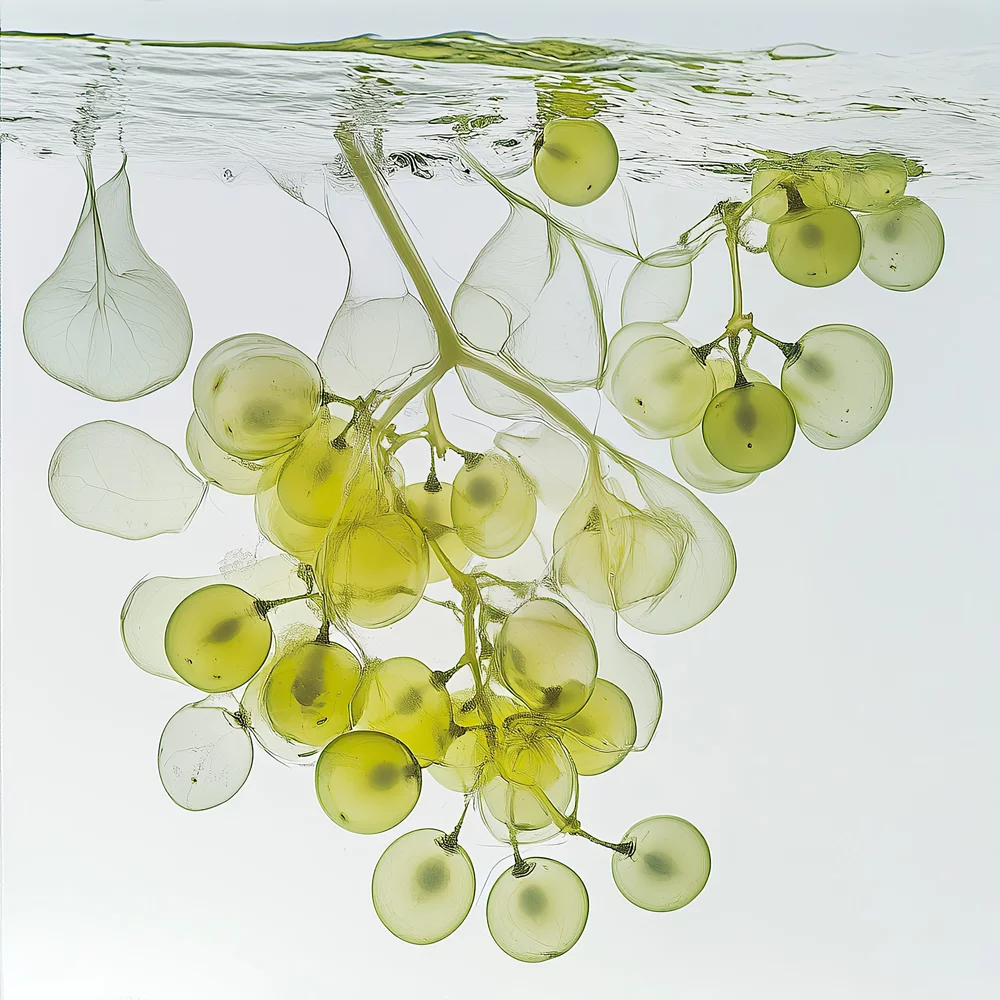
The grape seed extract is a derivative of whole grape seeds. It is rich in antioxidants, including phenolic acids, anthocyanins, flavonoids, and oligomeric proanthocyanidin complexes. During ancient times, grape plants were used in traditional treatments. Grape seed has been linked to a wide range of benefits. Just as eating grapes can be good for your health, incorporating grape seed in your skincare offers many skin benefits as well.
What are the benefits of grape seed?
Grape seed benefits include its proven anti-inflammatory, antimicrobial, and antioxidant properties. It softens and smooths the skin, lightens dark circles, fades scars and prevents sun damage. It also helps to reduce the appearance of wrinkles and other signs of aging. It can also be used to help with the healing of eczema and acne, as it helps to balance out the dry and oily patches on the skin. Additionally, research suggests that grape seed extracts may also offer possible health benefits, such as promoting wound healing and reducing the effects of free radical damage on the skin.
What is grape seed used for?
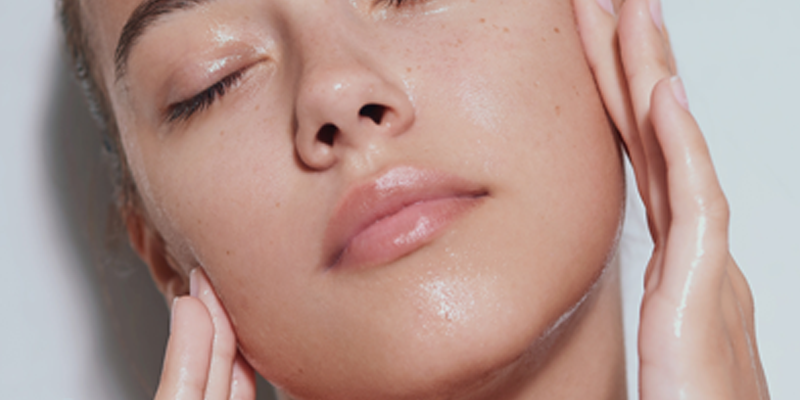
Grape seed in skincare is gentle, moisturising, non-pore clogging, and easily absorbed, which makes it beneficial for all skin types including sensitive and acne prone. It is also used to reverse skin ageing. Beyond skincare, grape seed supplements are taken to support overall wellness, including brain health and circulatory improvements.
How is grape seed used?
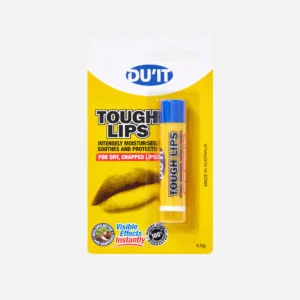
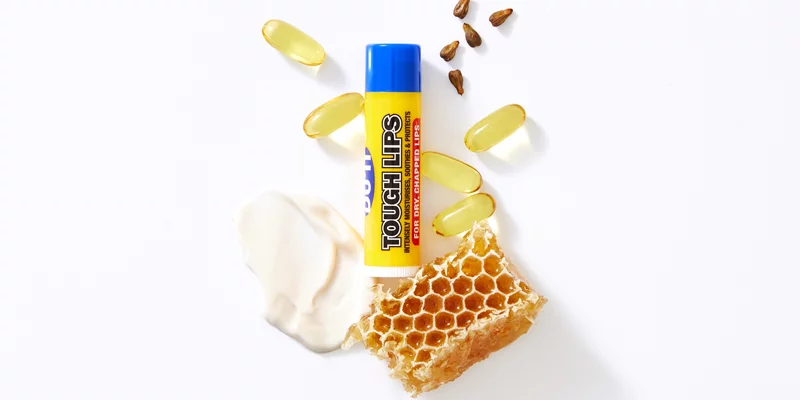
Grape seed can be found in a range of skincare products, including lip balms, cleansers, facial oils, lotions, creams, and serums. Additionally, dietary supplements like grape seed proanthocyanidin extract and grape seed oil are often used for their antioxidant properties and to help manage certain health conditions like chronic venous insufficiency and improve overall health.
How does grape seed work?
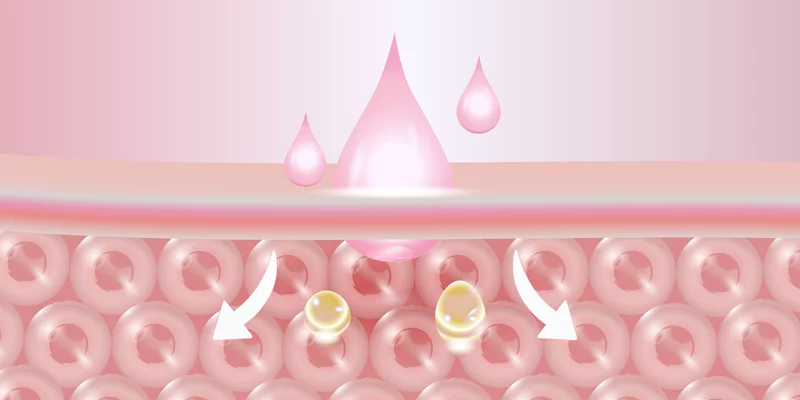
The antioxidant power in grape seeds, Vitamin C in particular, helps to reverse or reduce wrinkling effects and improve skin texture. Its anti-inflammatory and antimicrobial properties also help to reduce inflammation and treat acne. Being high in linoleic acid, grape seed can reduce clogged pores, balance oil on the skin and promote the healing of acne. When taking grape seed extract, it may also help regulate high blood pressure and support overall cardiovascular health. However, caution is advised when on blood thinning medications due to the side effects of their interactions. Grape seed extract supplements should be taken only after consulting with your healthcare provider if you’re taking prescribed blood thinners.
How can Grape Seed benefit different skin conditions?
Grape seed (including grape seed oil and grape seed extract) is valued in skincare for its antioxidant protection, lightweight moisturising feel, and soothing properties. It can help support skin that’s prone to visible redness, dehydration, breakouts or environmental stress—while also helping maintain a healthy-looking barrier.
- Acne-prone skin: Grape seed oil is lightweight and rich in linoleic acid, which can help support a clearer-looking complexion by reducing the likelihood of clogged pores and supporting a balanced skin barrier.
- Eczema / dermatitis: Can help soothe dryness and irritation by supporting the moisture barrier and improving skin comfort (patch test if skin is highly reactive).
- Rosacea-prone skin: Anti-inflammatory and barrier-supporting properties can help calm the appearance of redness and sensitivity.
- Sun-stressed or environmentally stressed skin: Antioxidants help defend against oxidative stress from UV exposure and pollution, which can contribute to premature visible ageing and uneven tone.
- Sensitive skin: Can help reduce the look of irritation and support a healthier barrier, making skin feel less reactive over time.
- Wound healing / post-blemish recovery: Antioxidant support can help skin look calmer as it recovers, supporting a smoother-looking finish over time.
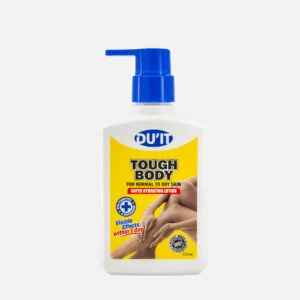
DU’IT products with Grape Seed